Association Method and SPIRE Curriculum
A foundation built for every child, one word at a time.
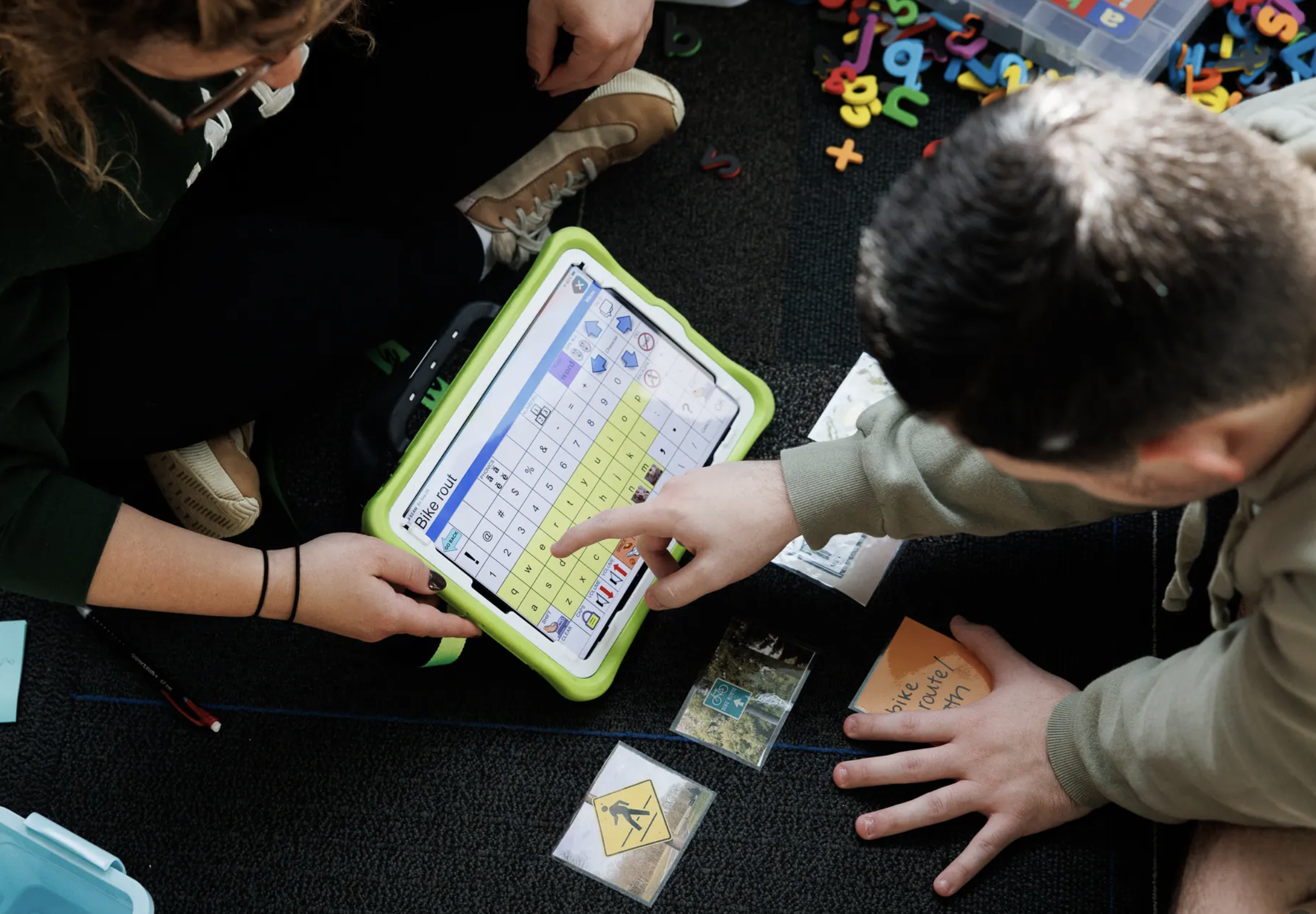
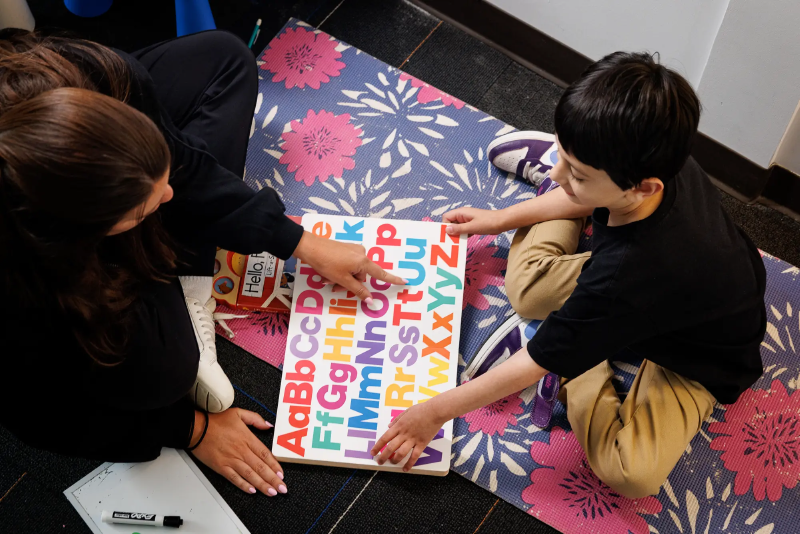
At Talk School, language and foundational reading are taught through the Association Method, with reading expanded through S.P.I.R.E. The Association Method builds expressive speech and reading around the sounds a child can currently produce verbally. Concurrently, S.P.I.R.E. unlocks broader receptive reading by introducing print concepts before those sounds can be spoken out loud. Sharing a structured, multisensory design, these complementary programs build language, reading, and writing from one steady foundation.
How We Teach Language and Reading
We move at the pace your child needs.
Quickly where they're ready to leap, carefully where they need more time, but always moving forward. Our two curricula work in concert, one building spoken language from its smallest pieces, while also teaching decoding, listening skills and writing, and the other building receptive reading skills on that same foundation.
Every skill has a solid place to stand and a child isn’t held back while they learn to produce additional sounds. This intentional alignment of these two methods, strengthens decoding and writing.
Our Methods
What each method actually does
The Association Method
The curriculum is matched to each child’s own strengths and needs, no one is ever rushed past a step they have not yet mastered.
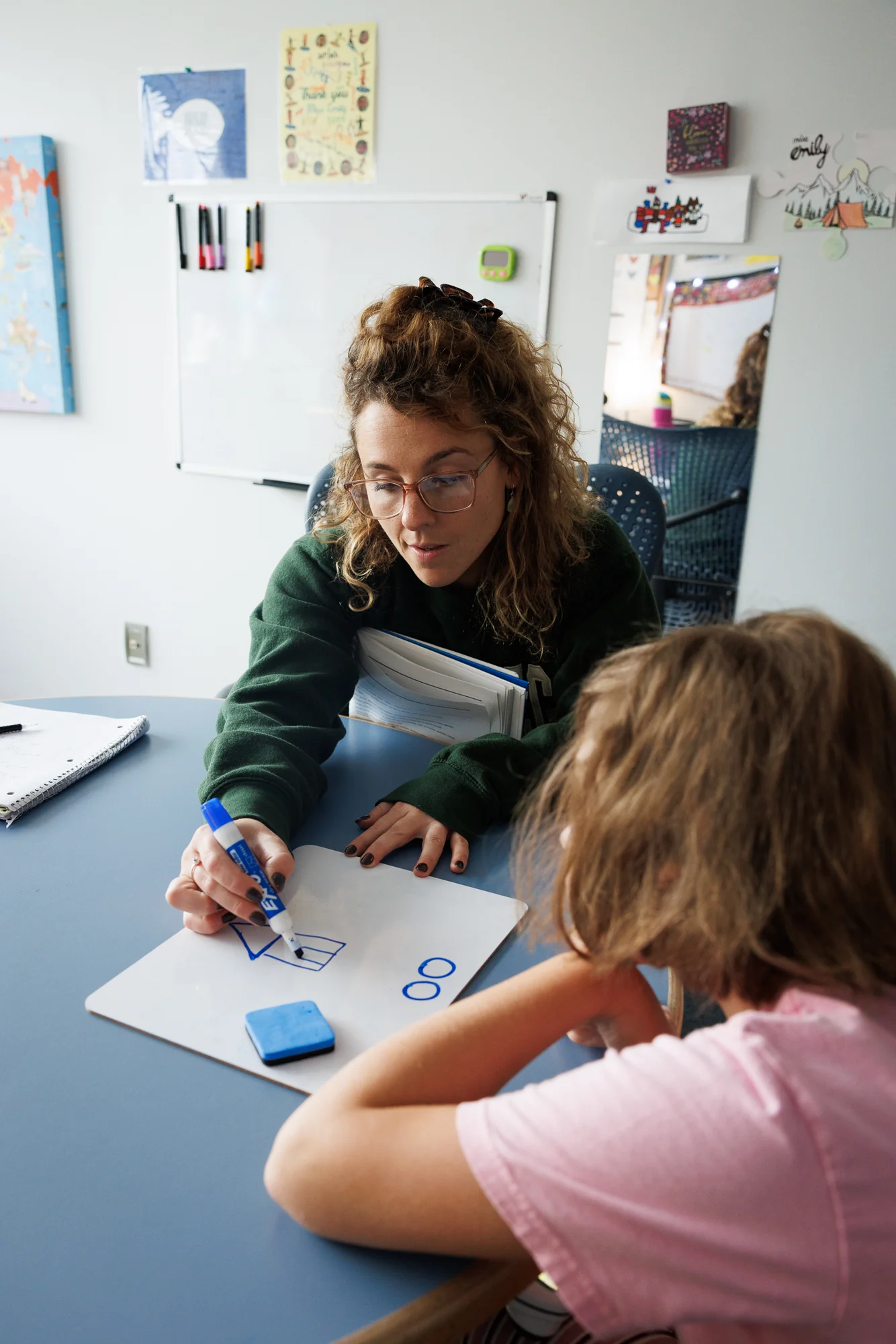
The Association Method, developed by Mildred McGinnis, is a structured, multisensory way of teaching both spoken and written language to children with significant communication differences.
It moves in careful order, from individual sounds to blended sounds, then to words, sentences, and eventually full stories, using production, decoding, and writing together to build attention, memory, and recall. Because the curriculum is matched to each child’s own strengths and needs, no one is ever rushed past a step they have not yet mastered. The Association Method has a long history of bringing speech, reading, and writing to children who were once thought unable to attain them, and it grows with a student, eventually transitioning into more traditional academic formats as their language takes hold.
SPIRE
A structured path to becoming a confident reader.
Reading is taught through SPIRE, a structured literacy program grounded in the Orton-Gillingham approach and aligned with the Science of Reading. Through consistent, sequential lessons with built-in review, it gives explicit instruction in phonological awareness, decoding, spelling, fluency, vocabulary, and comprehension.
Delivered in small groups or one-on-one, SPIRE lets each child build reading skills at a pace that is right for them, reinforcing what they have already learned before adding anything new. Over time, students gain not only accuracy and fluency, but the quiet confidence that comes from knowing they can read, even if they face challenges with speaking or handwriting.
One Foundation, Two Paths
For a child with a language-based learning difference, this alignment is everything.
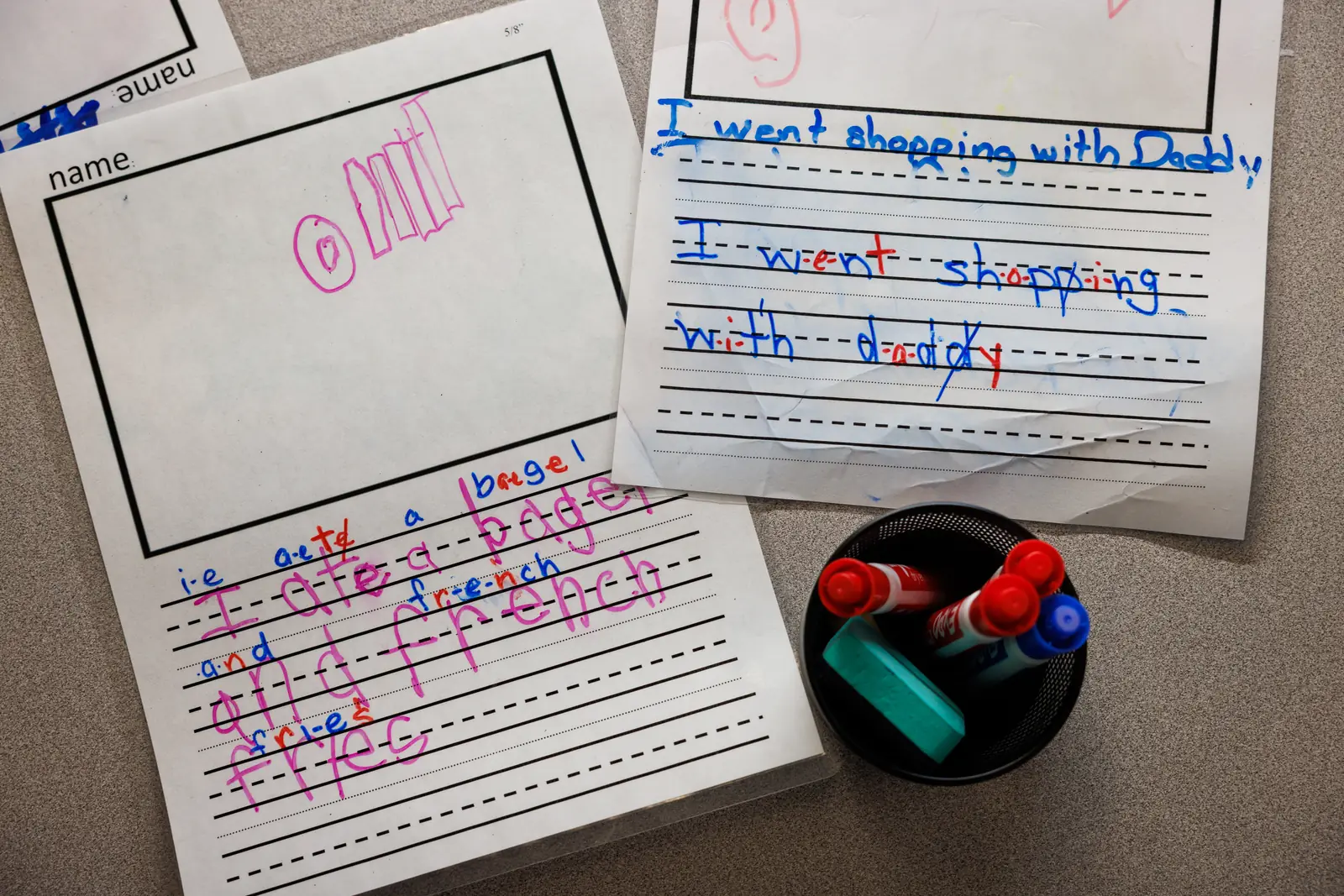
The Association Method builds spoken language around the sounds a child can produce verbally, continuously introducing new sounds as their speech develops, all while teaching them to listen for, decode, and write these sounds as they build toward words, sentences, and complex language.
Concurrently, S.P.I.R.E. expands their literacy horizon receptively, giving them access to print and phonics concepts before they have mastered pronouncing those same sounds out loud. Sharing a structured, multisensory design, the two programs work in tandem: one building precise expressive mastery while the other unlocks broader receptive reading.

“After his years at Talk School, transitioning to the school district in middle and high school was actually fantastic. From the Association Method, he switched to a new reading program, and it worked beautifully.”
A Talk School Parent - lightly paraphrased for clarity
Our Approach
See how these methods fit into the full day
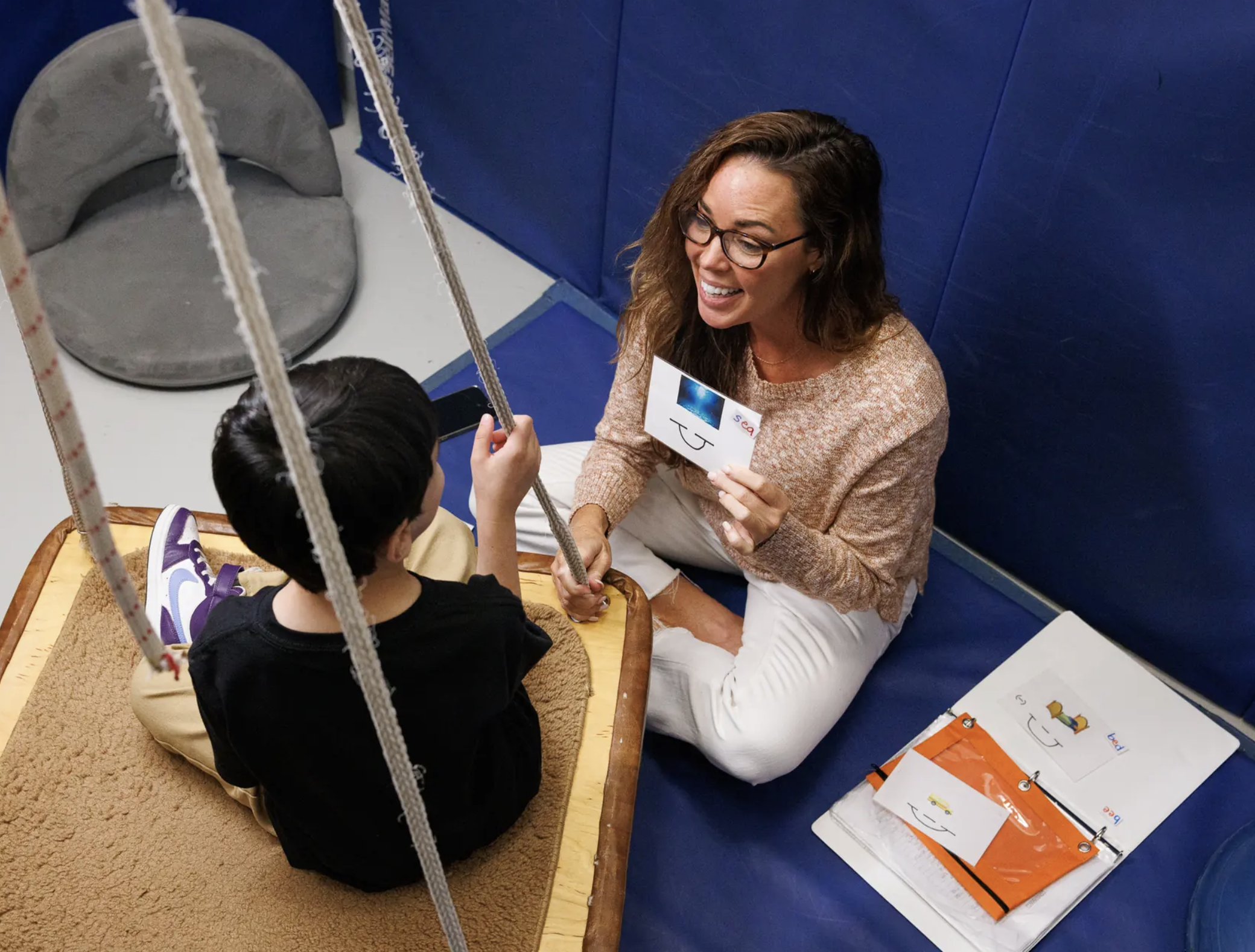
Our Therapies
Speech, OT, and more, woven through the whole day. See the four therapeutic approaches that surround our curriculum.
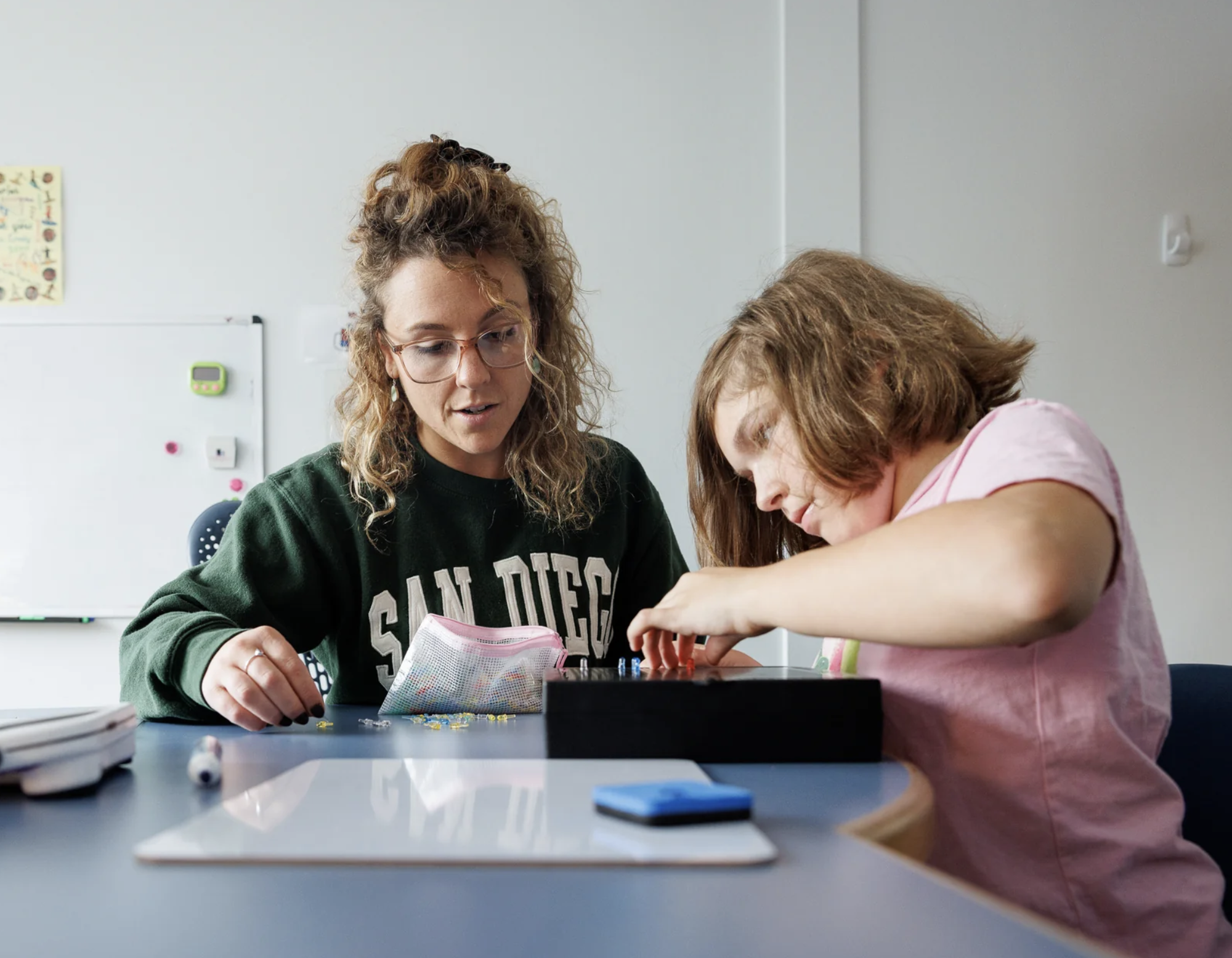
Academics
Therapy is only half the day. See how reading, math, science, and social studies are taught at each child’s own pace.
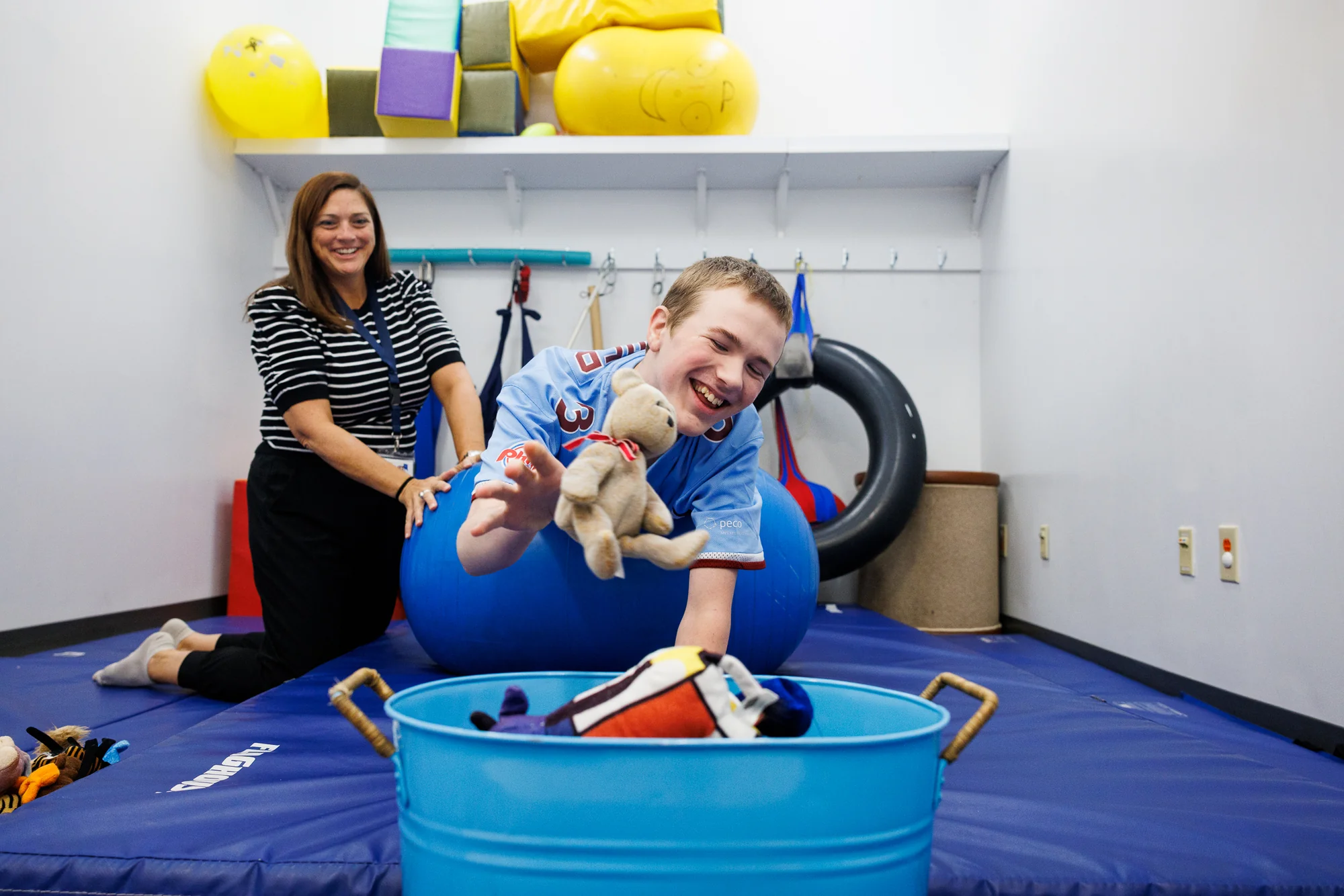
Joyful Learning
Music, art, and dog therapy give every child new ways to connect and express themselves. See the joyful side of a day at Talk.
Next Step
See these methods in action, and start your child’s path

Path to Enrollment
Walk through the steps, the timeline, and how enrollment is typically funded.

Frequently asked questions
Common questions about our methods
What is the Association Method?
It is our core language curriculum, a structured, step-by-step, multisensory approach that builds from individual sounds to words, sentences, and full stories.
What is SPIRE?
SPIRE is a structured, multisensory reading program grounded in Orton-Gillingham and aligned with the Science of Reading, especially effective for students with language-based learning differences.
Do all students use the same method?
Students are supported through the Association Method, individualized to their pace and needs. Our admissions team can talk through fit for your specific child.
How is this different from a typical reading program?
Both methods are highly structured and multisensory, meaning a child uses visual, auditory and tactile pathways for learning and nothing new is introduced before the last step is secure.
Can a student transition to another school afterward?
Yes. Families report smooth transitions, because the structured, sequential skills built here transfer well to other reading and language programs.