In-Classroom Speech and Occupational Therapy
Therapy as unique as your child’s needs.
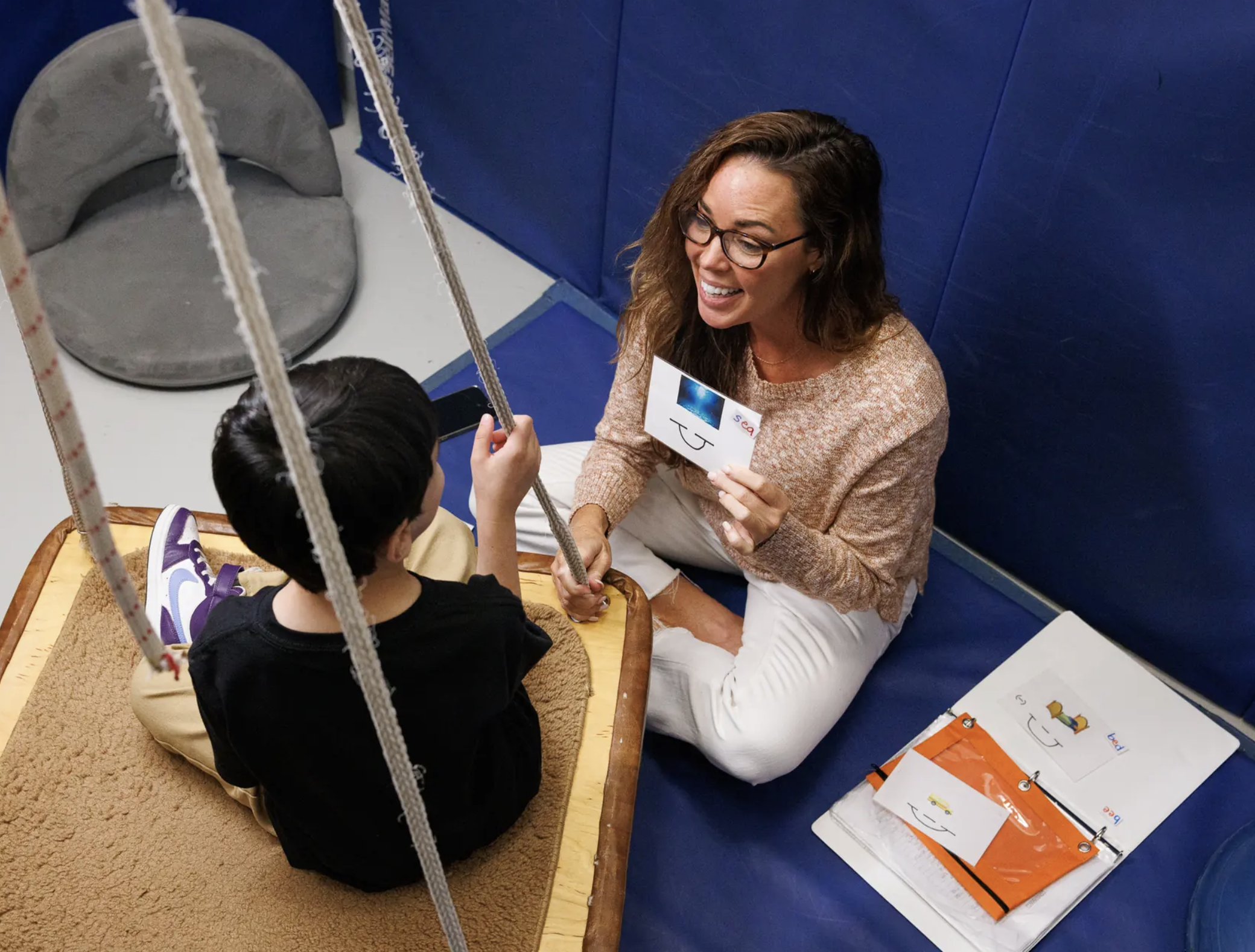
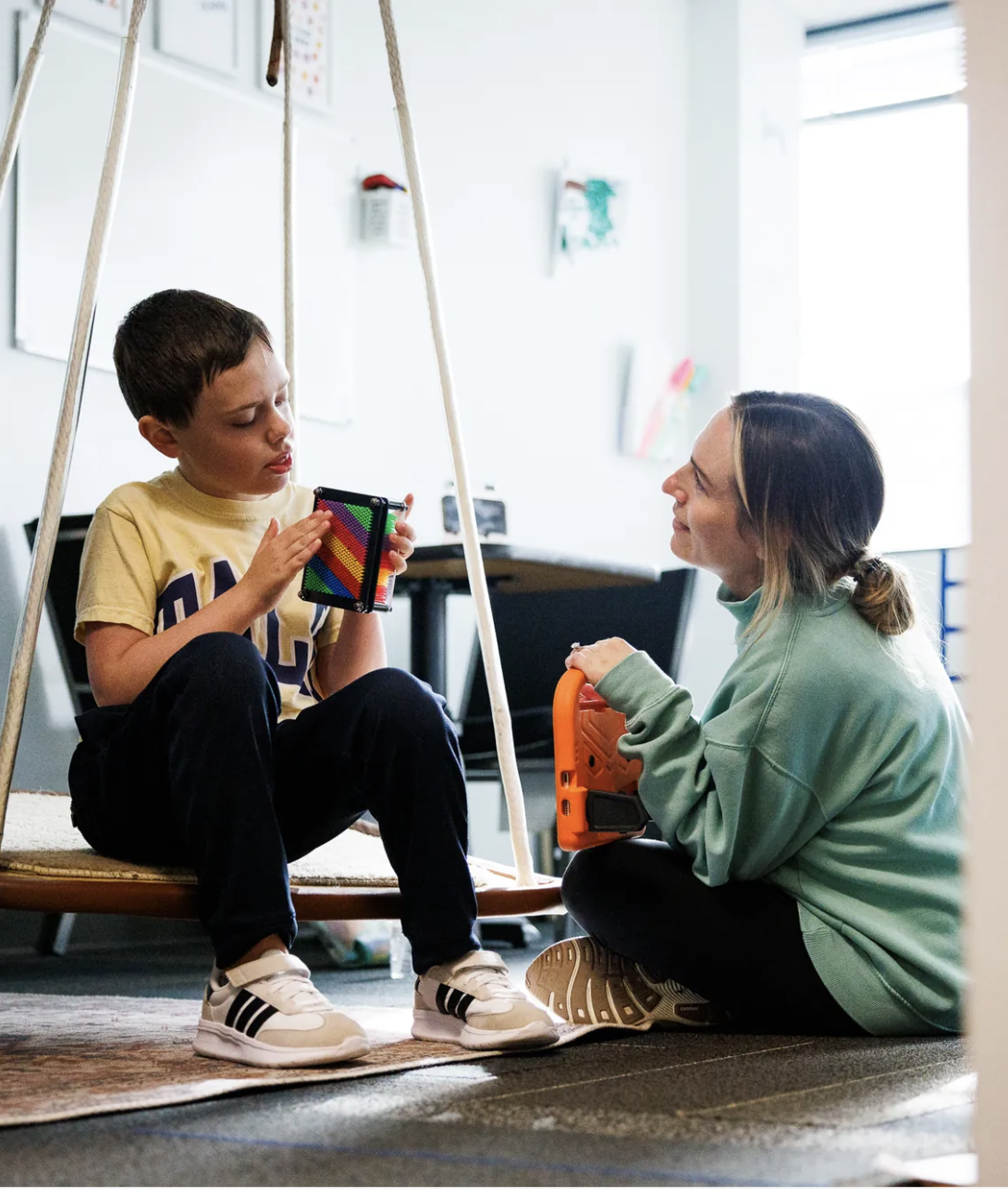
Every child arrives with their own distinct, interconnected set of needs. A single kind of therapy, offered once or twice a week, can only ever be a band-aid on something that deserves a real answer. At The Talk School, speech and occupational therapy happen right in the classroom, alongside teachers.. We provide expert therapy that works the way your child learns.
What Integrated Speech and Occupational Therapy Means
Your child should not have to leave a lesson to get the help they need. Here, they never do.
That is why nothing here happens in isolation. Our speech-language pathologists and occupational therapists work side by side with classroom teachers, all day, so a lesson never has to stop for therapy to happen. It simply happens within it.
The result is more therapy than most children receive anywhere else, delivered in the one place it can do the most good: right where learning is happening. What a student works on in speech is reinforced in the classroom minutes later, and what an occupational therapist notices becomes something the whole team can act on that same day.
Our Therapeutic Approaches
Four ways we support every student, every day
These approaches are never used alone. Within a single morning, a child may move through all four, so seamlessly that it simply looks like a good day at school.
Innovative Speech & Language Interventions
The Talk School’s model makes no artificial distinction between clinical therapy and education.
Our speech and language therapists provide an intensive model through one-to-one pull-out sessions and push-in to the classroom. Our goal is generalization. Our speech team works daily with the student's team so that skills are learned, maintained, and ultimately generalized. Our speech therapists provide therapies designed to support a range of speech and language needs, such as Dynamic Temporal and Tactile Cueing (DTTC), Prompt Therapy, and Multimodal Communication.
DIR/Floortime
The idea at its heart is simple and hopeful: children learn best inside relationships they enjoy.
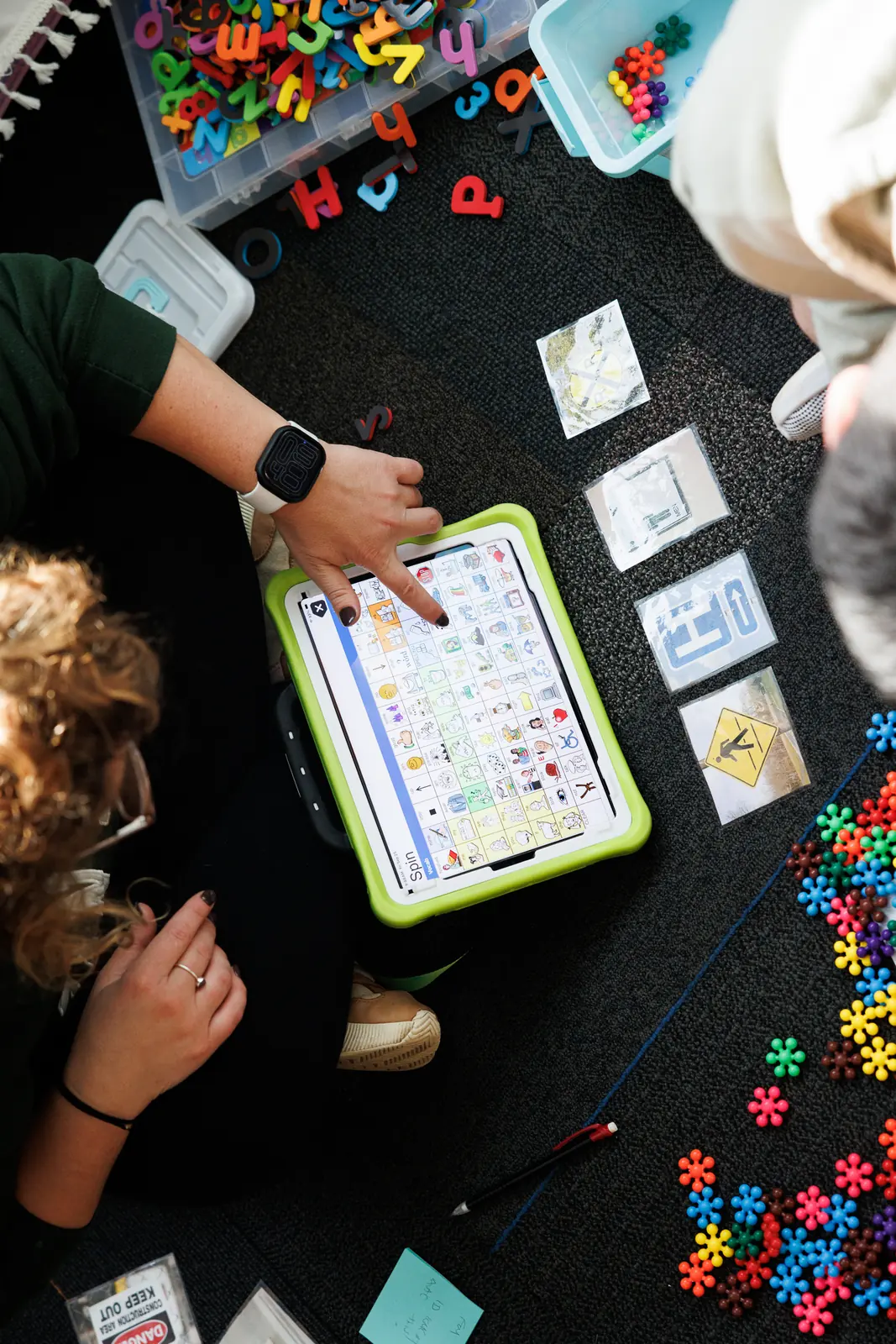
DIR/Floortime, developed by Dr. Stanley Greenspan and Dr. Serena Wieder, uses warm human relationships to help a child climb the developmental ladder, from simple attention and self-regulation toward genuine, purposeful communication. Our therapists get down on the floor and follow a child’s lead through play, meeting them exactly where their interest and motivation already are.
By linking a child’s emotions to their actions and their words in a joyful, unhurried way, we help them relate to the world more flexibly, more spontaneously, and more warmly, building a firmer foundation for the harder cognitive work ahead.
Sensory Integration
For many of our students, everyday sensations, sound, touch, pressure, movement, sight, can arrive as too much, too fast.
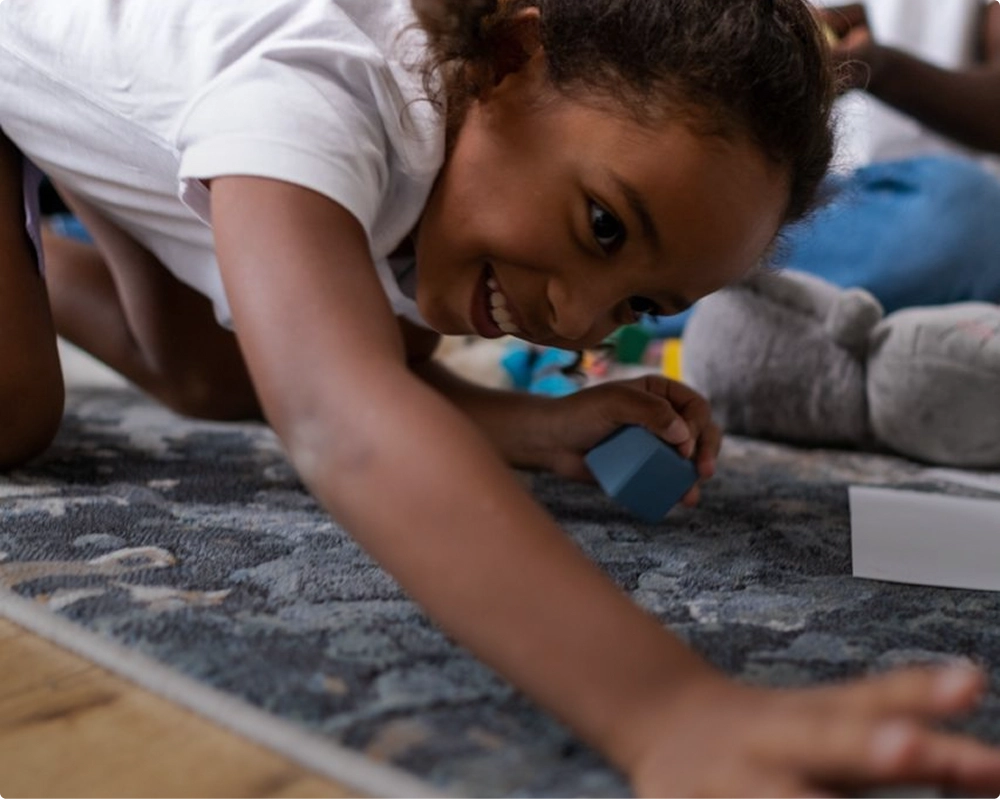
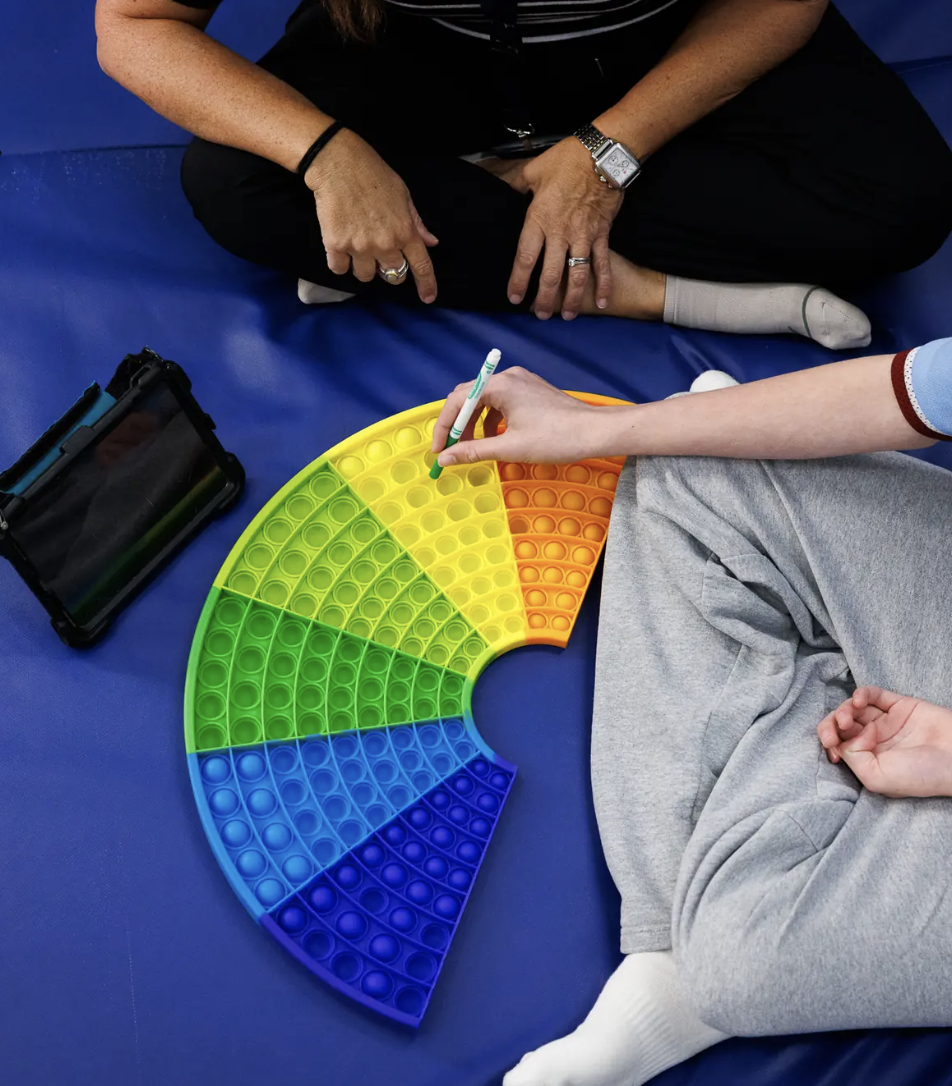
Sensory integration is an occupational therapy approach, developed from the work of Dr. Jean Ayres, that helps a child’s brain organize and make sense of all that incoming information so the world feels manageable rather than overwhelming.
This matters more than it might first appear. A child who does not know where their body is in space, or who is flooded by ordinary sensations, cannot reasonably be expected to sit, attend, or learn. As sensory processing improves, so does a child’s ability to stay regulated, connect with people, and take part fully in their own day.
Comprehensive Therapeutic Partnering
Our care does not stop at the edges of the classroom.
When a child would benefit from support we do not provide in-house, our team helps families connect with trusted outside specialists, and we encourage parents to stay alert to treatable medical conditions, from allergies to sleep or gastrointestinal issues, that a child may not be able to name but that can quietly derail learning.
Just as we draw no line between therapy and teaching, we draw none between home and school. We ask parents to be true partners, offering training and ongoing mentoring in our approaches so the progress that starts here continues at the kitchen table. A child does best when everyone around them is working from the same page.

“Our therapists work hand in hand with the teachers, and the teachers understand at all times that we are working on communication. When we say integrated, we really mean integrated, not included.”
Louise Saruk, Talk School co-founder.
Our Approach
See how the rest of the day comes together
The Talk Methods
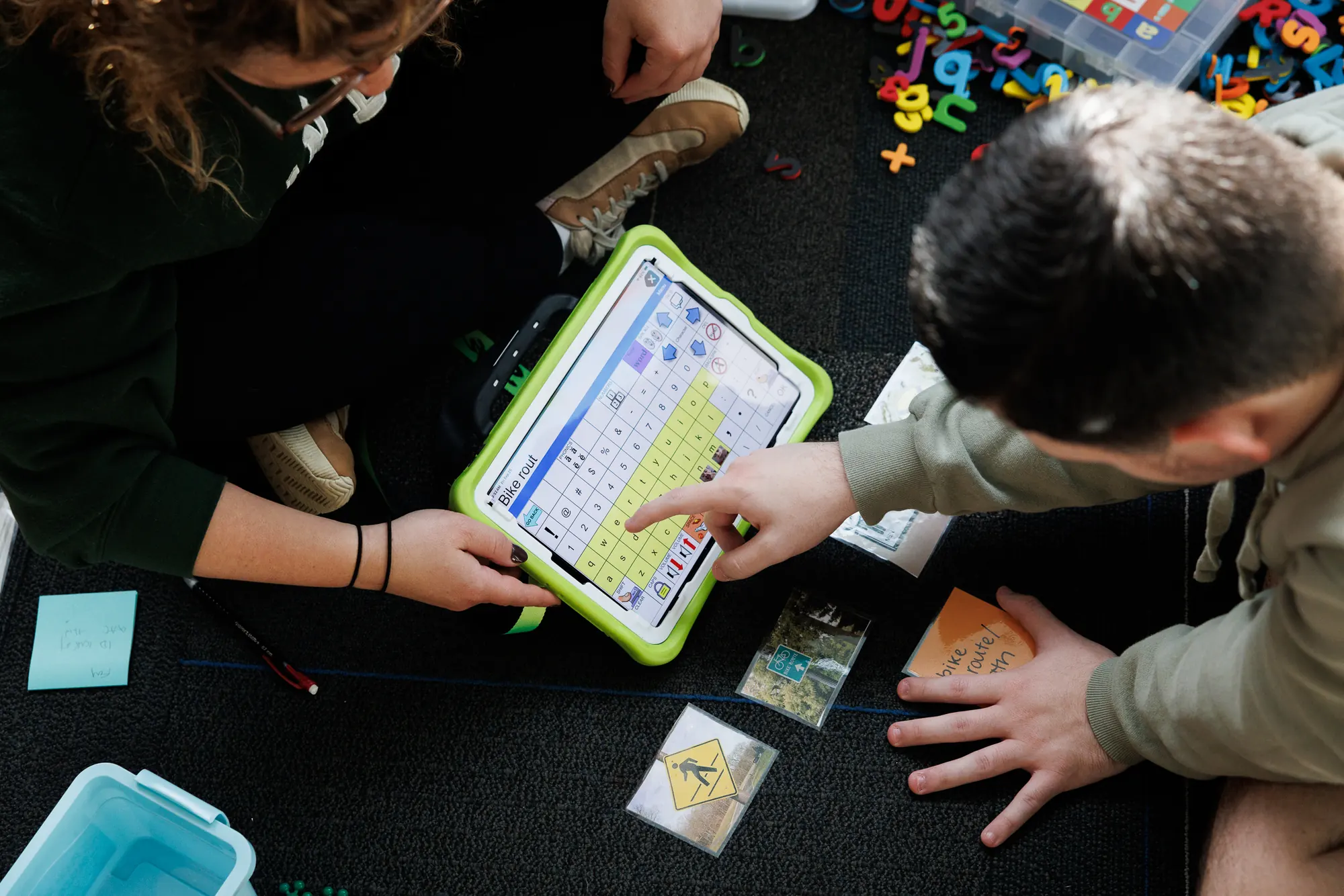
The Association Method and SPIRE are how we teach language and reading. See how these two curricula build on each other, step by careful step.
Academics
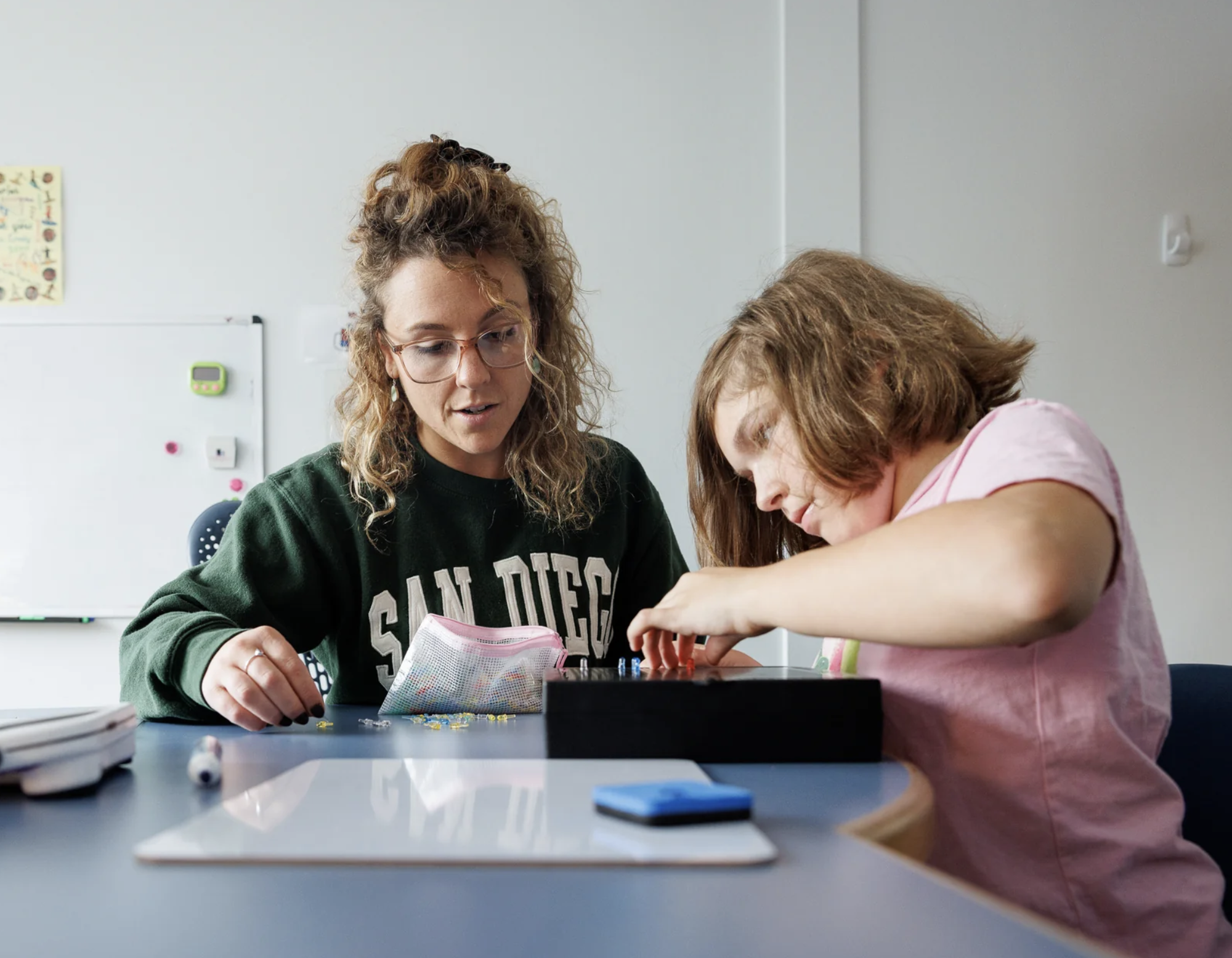
Therapy is only half the day. See how reading, math, science, and social studies are taught at each child’s own pace.
Joyful Learning
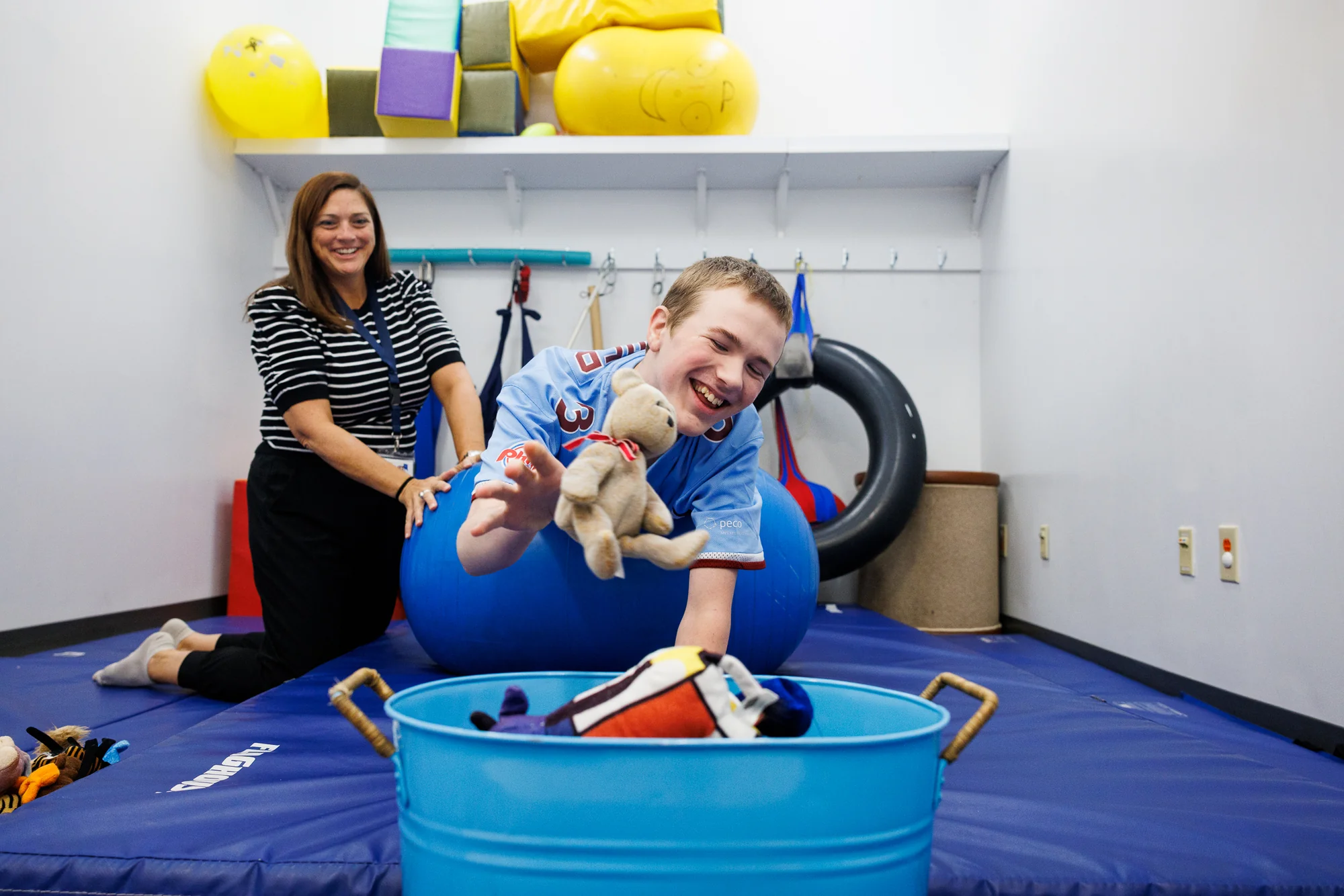
Music, art, and dog therapy give every child new ways to connect and express themselves. See the joyful side of a day at Talk.
Take the First Step
Wherever you are in your search, start here


Frequently asked questions
Common questions about The Talk School Therapy
Is therapy pulled out of the classroom?
Most speech and occupational therapy happens right in the classroom, alongside academics, so a child never loses learning time to get the support they need. Students also receive individual therapy sessions to address their own unique needs.
Does my child still get a real academic education at The Talk School?
Yes. Students study reading, math, science, and social studies across an 11-month school year, taught in a way built for how each child actually learns.
What is the Association Method?
It is our core language curriculum, a structured, step-by-step, multisensory approach that builds from individual sounds to words, sentences, and full stories.
How much therapy does each student receive?
Most students receive about 9.5 to 10.5 hours of speech and language therapy and 2 to 4 hours of occupational therapy each week.
What ages does The Talk School serve?
While licensed for ages 3–21, student readiness for a full school day usually begins at ages 4–5. Families looking for placement in our youngest class are encouraged to begin the admissions process prior to the student turning 5 years old.